


Reports indicate that Apple is poised to execute a significant strategic pivot regarding the production of its camera components, a move that could reshape the competitive landscape of mobile photography. According to South Korean outlet The Elec, Samsung is preparing to supply Apple with advanced image sensors manufactured directly on American soil. This development, centering on Samsung’s facility in Austin, Texas, represents a potential breakthrough for domestic manufacturing proponents and a distinct shift in Apple’s long-standing reliance on overseas supply chains.
A Technological Leap in Imaging
The partnership reportedly focuses on a revolutionary “three-stack” architecture for image sensors, a technology that has not yet been deployed at scale within the mobile industry. This design involves vertically stacking three distinct layers, a method that promises to deliver substantial performance upgrades. Industry analysis suggests that this configuration will allow for higher pixel density, superior performance in low-light environments, and faster readout speeds. Furthermore, the new architecture is expected to offer improved dynamic range while simultaneously reducing power consumption—a critical factor for maintaining battery life as processing demands increase.
The Current Benchmark
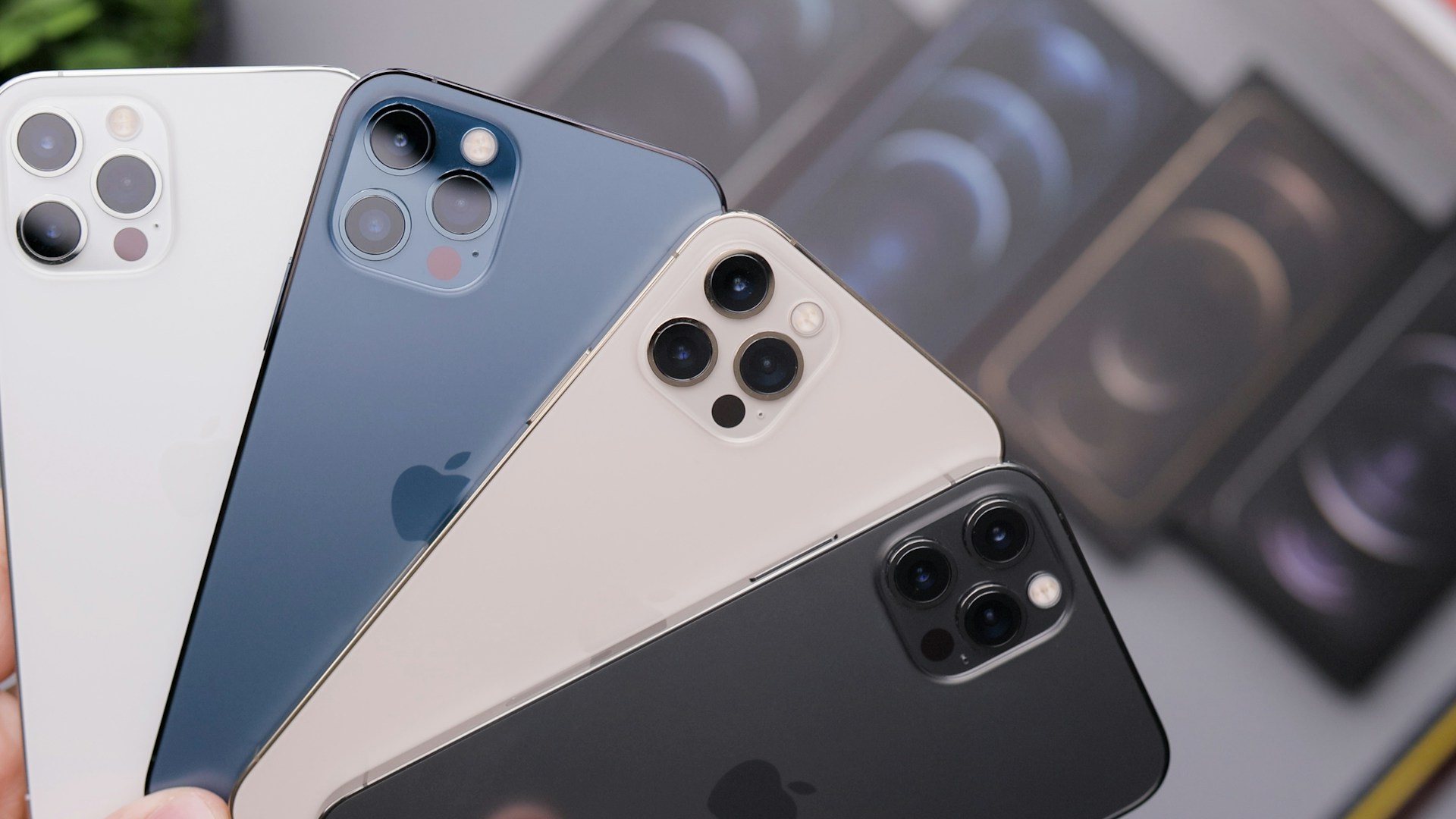
To understand the magnitude of this potential upgrade, it is necessary to examine the current capabilities established by the iPhone 15, which hit the market in late 2023. The existing standard features a robust dual-camera system anchored by a 48-megapixel main sensor. The current hardware, utilizing a Sony IMX904 sensor with an f/1.6 aperture, already delivers impressive results, including 4K video recording and advanced stabilization. However, the anticipated Samsung sensors for the iPhone 18 aim to push these boundaries significantly further than what is currently achieved by the iPhone 15’s A16 Bionic-powered image signal processor.
Performance and Display Standards
The iPhone 15 serves as the baseline for this future evolution, boasting a 6.1-inch Super Retina XDR OLED display with a resolution of 2556×1179 pixels. The device, which officially starts at $799 for the 128GB model, offers a peak brightness of 2000 nits and relies on the A16 Bionic chip to handle computational photography tasks. While the current 3349 mAh battery supports roughly 20 hours of video playback and utilizes 20W fast charging via the newly adopted USB-C port, the efficiency gains promised by the rumored three-stack sensors could extend these endurance figures even further in future iterations.
Breaking the Sony Monopoly
If the reports hold true, this deal marks the end of Sony’s exclusive grip on Apple’s image sensor supply. Historically, Sony has been the sole provider of these components, which are manufactured in Japan before being integrated into assembly lines abroad. By bringing Samsung into the fold, Apple not only diversifies its supply chain but also mitigates the risks associated with relying on a single vendor. The move suggests a broader strategy to leverage competition between tech giants to secure cutting-edge components.
Domestic Production and Investment
Samsung is reportedly already advancing industrial preparations at its Austin site to meet these ambitious goals. The company has initiated the installation of production equipment and is actively recruiting technicians and engineers specializing in mechanics and electronics. In early December, Samsung notified the Austin City Council of its intent to invest an additional $19 billion into the facility. This new production line, potentially operational as early as March, is slated to supply components for the iPhone 18, which is expected to launch in the first half of 2027. This initiative marks the first time iPhone camera sensors would be produced within the United States, aligning with growing political and economic pressure to onshore critical technological manufacturing.