

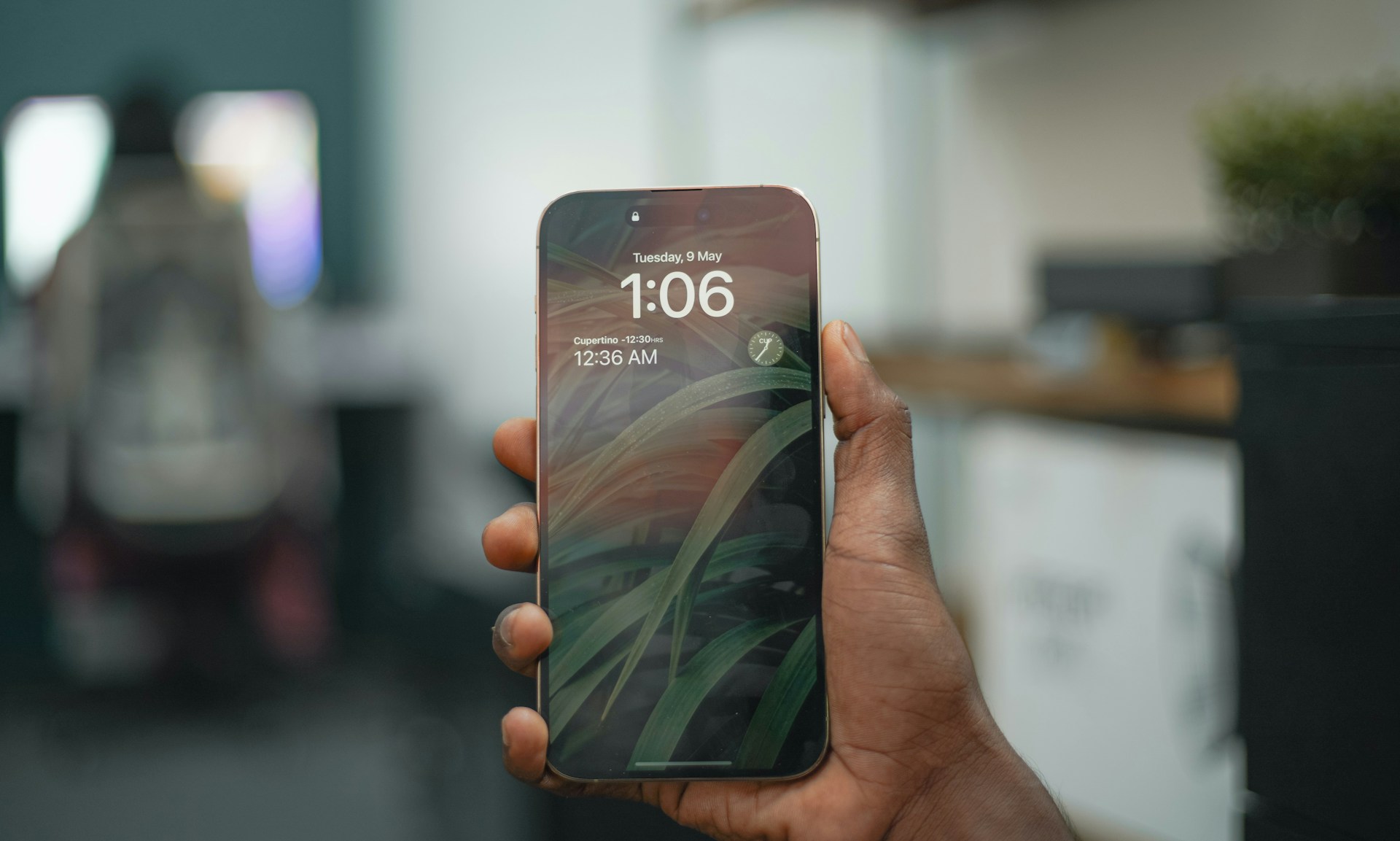
As we settle into 2026, the smartphone market continues to stratify, yet an interesting contender has re-emerged in the budget-friendly sector. The iPhone 14 Plus, originally released in late 2022, is finding a second wind as a compelling option for users prioritizing screen real estate without the premium price tag of the latest Pro Max models. With refurbished units appearing on platforms like CertiDeal for under €400—specifically around €386.99 for decent condition models—it represents a massive discount from its original launch MSRP of $899. For consumers still holding onto an iPhone 11, the upgrade path to the 14 Plus offers a stark difference in daily usability.
Display and Design Evolution
The most immediate distinction between these two generations is physical presence. The iPhone 11 features a manageable 6.1-inch IPS LCD, a standard that served the industry well in 2019. However, the 14 Plus completely shifts the visual experience with a 6.7-inch Super Retina XDR OLED panel. This isn’t just about size; the technology leap from LCD to OLED delivers deeper blacks and significantly higher brightness, jumping from the iPhone 11’s 625 nits to a peak of 1200 nits on the newer model.
Despite the increase in dimensions—growing from roughly 5.9 inches tall to 6.33 inches—the 14 Plus manages to keep the weight gain minimal. It tips the scales at 203 grams compared to the iPhone 11’s 194 grams, a negligible difference owed largely to the continued use of a lightweight aluminum frame rather than the heavier stainless steel found on Pro models. For users who stream video or game on the go, the jump in resolution from 1792×828 to 2778×1284 pixels offers much sharper fidelity.
Performance and Longevity
Under the hood, the architectural improvements are substantial. The iPhone 11 runs on the A13 Bionic, a 7nm chip that, while capable, is beginning to show its age in 2026. Conversely, the iPhone 14 Plus utilizes the A15 Bionic with a 5-core GPU built on a more efficient 4nm process. Benchmarks highlight this disparity, with the 14 Plus scoring significantly higher in multi-core processing. Perhaps more importantly, the memory has been bumped from 4GB in the older model to 6GB in the 14 Plus, allowing for smoother multitasking and better future-proofing.
Software support remains a critical factor for buyers in the secondary market. Apple is known for long-term support, and the iPhone 14 Plus is still actively receiving iOS updates, a trend expected to continue for several more years. This makes it a safe investment for those looking to keep their device relevant through the late 2020s.
Camera and Battery Life
On paper, both devices sport a dual-camera setup with 12MP main and ultra-wide sensors, but the similarities end there. The iPhone 14 Plus integrates a larger sensor with a faster f/1.5 aperture, compared to the f/1.8 aperture on the iPhone 11. This hardware change, combined with the Photonic Engine, results in vastly superior low-light performance. Video capabilities have also matured, with the 14 Plus offering Cinematic mode and Dolby Vision HDR, features entirely absent on the 2019 model.
Battery performance is another area where the larger chassis of the 14 Plus provides a tangible benefit. It houses a 4325 mAh cell, considerably larger than the 3110 mAh unit in the iPhone 11. When paired with the efficiency of the A15 chip, this translates to all-day endurance even with heavy media consumption. Furthermore, the 14 Plus supports MagSafe charging, a convenience feature that the iPhone 11 lacks, alongside faster wired charging capabilities.
Market Position
The value proposition of the iPhone 14 Plus in 2026 is difficult to ignore. While the original reference price hovered near €1000, current refurbished offers save consumers roughly 60%. It essentially democratizes the “large screen” experience, making it accessible to students, technophiles on a budget, and gamers who need display space but cannot justify the cost of a brand-new flagship. With a robust 30-month warranty often included in these refurbished deals, the risk associated with buying older tech is largely mitigated, cementing the 14 Plus as a smart, versatile choice for the modern mid-range market.