
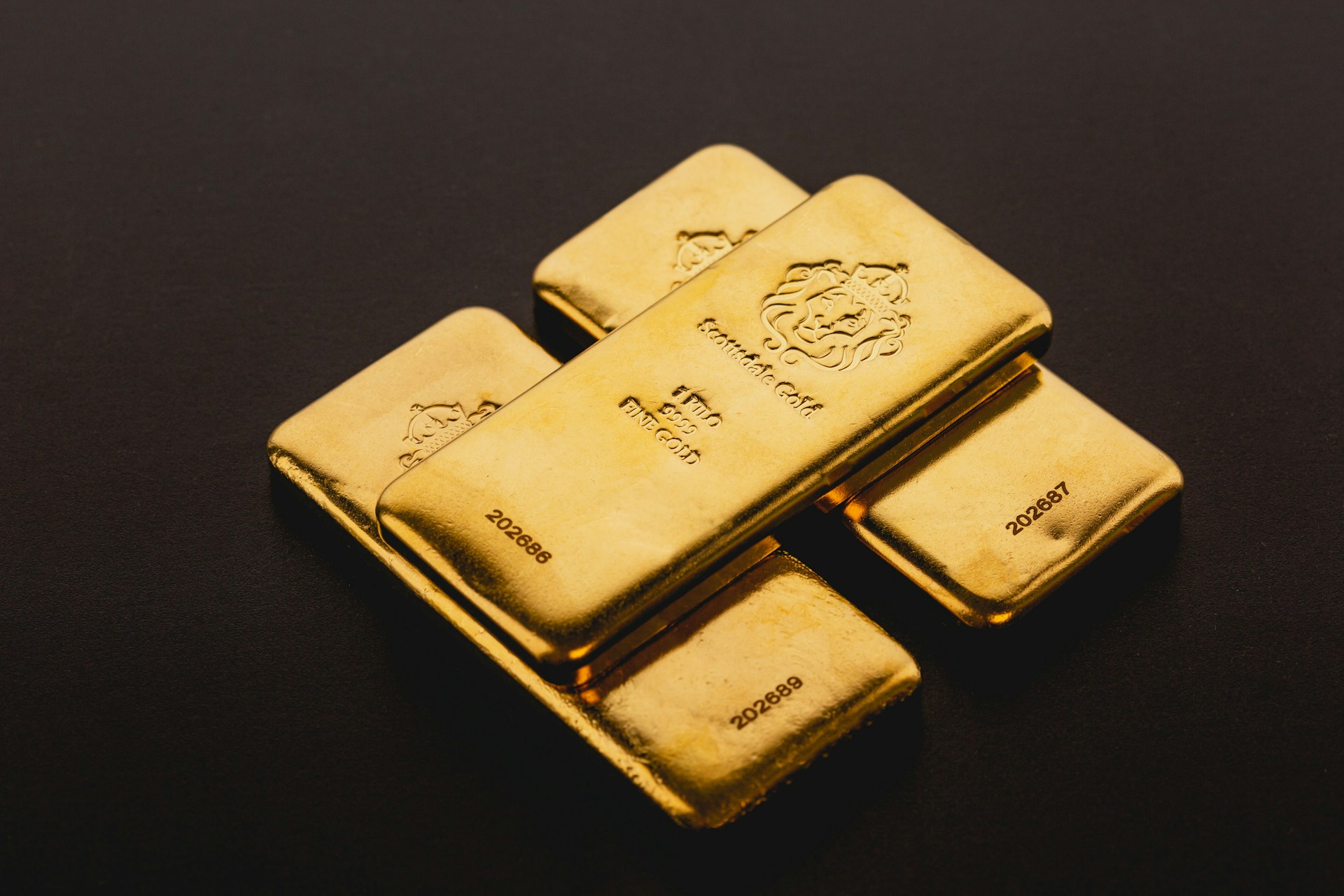
The new year is off to a blistering start for the precious metals market, picking up exactly where a record-breaking 2025 left off. Gold’s price action remains incredibly constructive, driven by a convergence of technical strength and lingering macroeconomic uncertainty. The most immediate signal of this bullish momentum arrived earlier this week when the yellow metal struck a fresh all-time high of $4,707 per ounce. While the headline number draws attention, technical analysts argue that the underlying chart patterns are even more significant for the metal’s trajectory in 2026.
A Textbook Technical Breakout
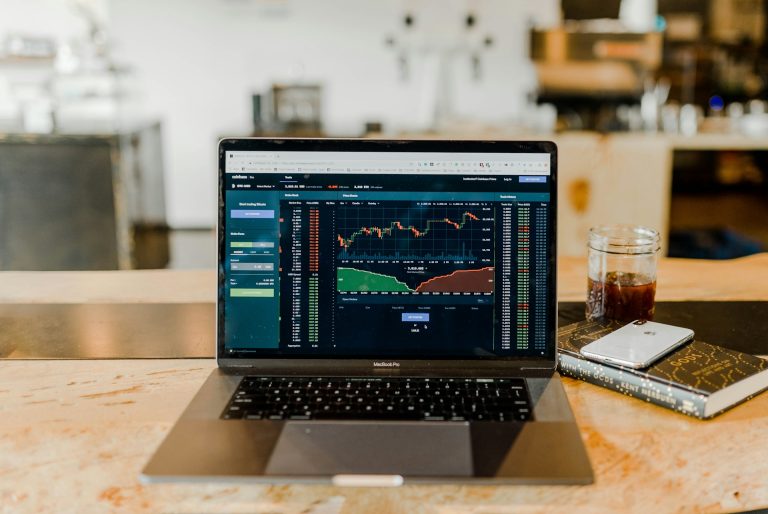
From a charting perspective, the recent price action validates a massive breakout. We view the metal’s escape from the recent consolidation zone—defined by a sideways trading range between $4,270 and $4,550—as a critical development. In what can be described as a textbook technical move, gold prices successfully tested the upper bound of this range last week, turning previous resistance into support.
This successful back-test confirms the completion of the consolidation pattern, unlocking significant upside potential. Based on standard projection methods, this move implies an initial target of around $4,830. Looking further out, a 261.8% Fibonacci projection of the recent pause suggests room for a run up to $4,996. This aligns almost perfectly with broader annual outlooks placing the target at the psychological $5,000 mark. For traders managing risk, the previous record high of $4,550 now serves as a logical, trailed stop-loss level to lock in accumulated paper profits during this trend.
Leaving Equities in the Dust
This continued strength follows a year where commodities completely overshadowed traditional equity markets. Throughout 2025, gold, silver, and copper posted double-digit gains that made the stock market’s performance look modest by comparison. While the S&P 500 managed a respectable 16.39 percent gain to close the year at 6,845.50, it couldn’t compete with the metals complex. Gold surged over 64 percent—its strongest annual jump since 1979—closing the year at $4,315.09.
Silver was the standout performer, however, skyrocketing more than 147 percent to end the year at $71.30 per ounce, with momentum accelerating sharply in the fourth quarter. Copper also joined the party, climbing over 44 percent to $12,504 per ton. Investors flocked to these hard assets as a counterbalance to President Donald Trump’s tariff policies and as a necessary diversification play during the frenzy surrounding artificial intelligence.
The AI and Infrastructure Connection
While gold continues to serve its traditional role as a safe haven during uncertain times, the industrial metals have found a new catalyst. Both silver and copper have become critical components in the infrastructure build-out required for the AI boom. The demand for massive data centers, robotics, and energy transmission has created a tangible floor for these prices, decoupled from pure speculation.
As we move deeper into 2026, the question on everyone’s mind is whether this valuation stretch can continue. Market analysts point to the “Liberation Day” sell-off in April 2025 as a litmus test for the market’s resilience. Following President Trump’s announcement, most asset classes—including fixed income and cryptocurrencies—tanked. Gold, however, proved remarkably resilient, holding its ground when other safe havens faltered.
Momentum Signals Favor the Bulls
According to market strategists, the technicals suggest the buyers aren’t done yet. Data from Dow Jones Market Data indicates that by the end of December 2025, both gold and silver had managed to hold above their 50-day moving averages for 93 consecutive trading sessions. For gold, a streak of that duration has only occurred four times since 1993; for silver, only five times since 1982.
Sameer Samana of the Wells Fargo Investment Institute notes that this consistent ability to hold trend support implies there are still “significantly more buyers than sellers.” He attributes this lingering strength to early-year weakness in the U.S. dollar and pervasive doubts regarding how global governments will stabilize their fiscal situations moving forward. While historical data is never a guarantee of future returns, previous instances of such sustained momentum have typically served as a bullish signal for gold and equities in the subsequent months. As the charts align with the fundamentals, the path of least resistance for the metals complex appears to remain to the upside.